The Psyche and Spirituality I
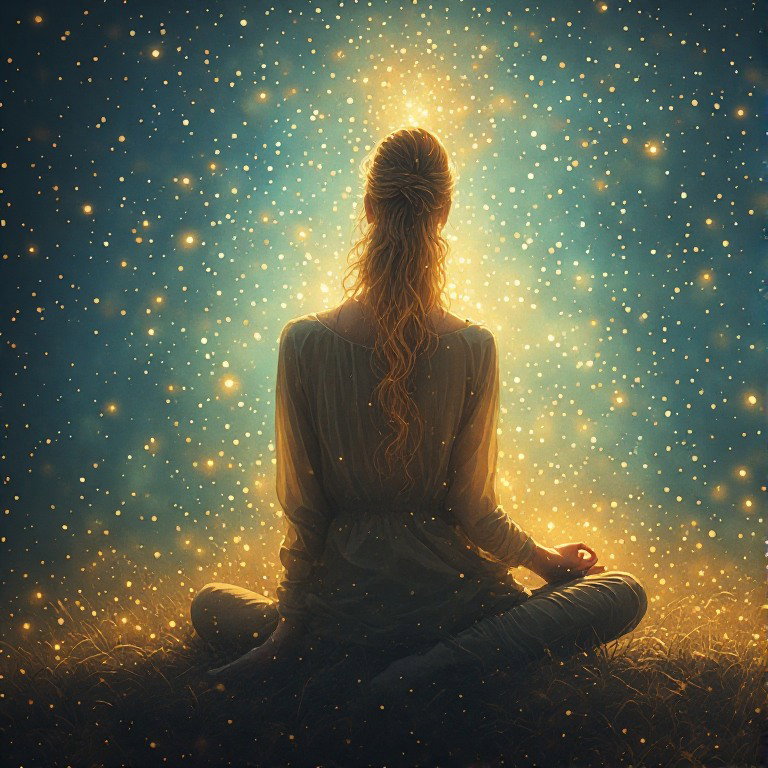
For centuries across various cultures, what modern medicine labels as mental illness has often been viewed through a radically different lens: as a spiritual crisis, an awakening, or a sign of heightened metaphysical sensitivity. While clinical psychology focuses on symptom management and neurochemistry, a spiritual perspective suggests that certain conditions may thin the "veil" between ordinary reality and deeper spiritual realms, granting individuals unique insights and connections that those without these conditions rarely experience.
This perspective often reframes the chaotic or intense internal experiences of mental illness such as the visionary states of bipolar mania or schizophrenia as forms of unintegrated spiritual emergence. In many indigenous and shamanic traditions, an individual undergoing a profound psychological break is not isolated or medicated immediately; instead, they are recognized as entering an initiatory crisis. The voices, visions, or deep, crushing despairs are seen as the psyche dismantling itself to clear space for a higher state of consciousness or a calling to serve as a healer. For those with these conditions, the mind operates without the standard filters that keep ordinary waking life predictable, allowing an overwhelming influx of empathy, symbolic archetypes, and cosmic interconnectedness to flood their awareness.
Furthermore, conditions like deep depression or severe anxiety can act as brutal but profound catalysts for spiritual seeking. Depression, often described in spiritual literature as the "Dark Night of the Soul," strips away the ego's attachments to worldly success, societal roles, and superficial identities. When the external world loses all meaning, the individual is forced inward to confront the core questions of existence, suffering, and mortality. This forced introspection, while agonizing, can lead to a state of profound surrender and mystical awakening that individuals living comfortable, untroubled lives may never feel the urgency to seek. The heightened sensitivity of an anxious mind can similarly be viewed as a hyper-attunement to the energetic environments and unspoken emotional realities of others, functioning as an uncalibrated form of deep empathy.
However, navigating this overlap requires a delicate balance, as spiritualizing severe distress without grounding can lead to "spiritual bypassing" or dangerous neglect of clinical care. The most holistic frameworks don't dismiss medical science; rather, they hold space for both realities simultaneously. They recognize that a person can experience a genuine neurochemical imbalance and a profound spiritual breakthrough at the exact same time. By honoring the suffering of mental illness as a sacred, albeit painful, wilderness journey rather than just a broken mechanism, individuals can find deep meaning, purpose, and a sense of divine connection within their unique psychological landscape.
To go even deeper, this heightened connection often stems from a phenomenon that psychologists call latent inhibition the brain’s automatic filter that screens out "irrelevant" stimuli like background noise, subtle environmental changes, or deep archetypal patterns. In a highly sensitive or neurodivergent mind, this filter is naturally lowered. While a lower filter can cause severe sensory and cognitive overload (leading to clinical distress), it also leaves the doors of perception wide open. Individuals are flooded with a rich tapestry of synchronicities, symbols, and deep emotional currents that others miss. They aren't just imagining a deeper reality; they are literally registering more of the unfiltered universe than the average brain can handle.
This open channel often manifests as a profound, visceral empathy that blurs the boundary between the self and the world. For individuals dealing with traits of borderline personality or bipolar sensitivity, the emotional climate of a room or the hidden pain of a stranger isn’t just noticed it is absorbed. Spiritually, this mirrors the mystical concept of oneness or interconnectedness, where the illusion of a separate ego dissolves. While this makes navigating daily modern life incredibly taxing, it also grants an extraordinary capacity for deep compassion, artistic brilliance, and a natural inclination toward mysticism. They exist closer to the raw, pulsing undercurrent of life, making their spiritual experiences incredibly vivid, moving, and authentic.
This thin boundary between worlds also sheds light on the striking intersection between madness and prophecy throughout human history. Many of our most revered mystics, saints, and shamans from Joan of Arc to Rumi, exhibited behaviors that today would easily fit diagnostic criteria for psychiatric conditions. In a supportive, spiritually integrated culture, these individuals were given the space, ritual, and guidance to ground their intense inner worlds, transforming their psychological storms into medicine for the community. When a society lacks these sacred containers, the raw spiritual fire has nowhere to go, transforming into the terrifying, isolating, and fractured states we classify as psychosis or severe mania.
Ultimately, viewing mental illness through an expanded spiritual lens shifts the narrative from deficit to divergence. It suggests that the suffering involved is not empty or meaningless, but rather the heavy price paid for carrying a highly sensitive instrument into a dense, loud world. When the psychological upheaval is met with both clinical grounding and spiritual reverence, the individual is no longer just a patient managing a chronic illness they become a voyager of the deep psyche, carrying back unique insights into human nature, creativity, and the divine.